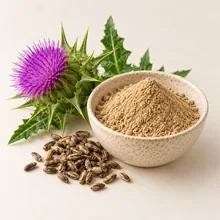
 200 mgPer 2 capsules · 200 mg
Milk thistle
What it is: Seed of Silybum marianum, source of silymarin, the best-known liver herb.
Research: NCCIH: evidence for liver disease is conflicting or too limited; two NIH-funded trials (hepatitis C, NASH) showed no benefit.* (source)
Watch for: Bloating, nausea; allergy in people sensitive to ragweed or daisies.
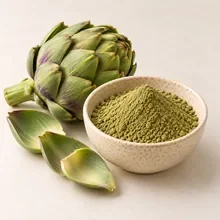 50 mgPer 2 capsules · 50 mg
Artichoke leaf
What it is: Leaf of the globe artichoke, traditionally used for digestion and bile flow.
Research: Small trials of 600-2,700 mg leaf extract found better cholesterol and some fatty-liver measures; Thyronex has 50 mg.* (source)
Watch for: Gas; avoid with gallstones or bile-duct blockage; daisy-family allergy.
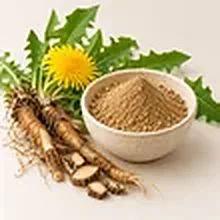 50 mg eachPer 2 capsules · 50 mg each
Dandelion & chicory
What it is: Two bitter roots from the daisy family, long used as liver and digestive tonics.
Research: NCCIH: no compelling scientific evidence for dandelion for any health condition.* (source)
Watch for: May interact with diuretics, diabetes drugs and blood thinners.
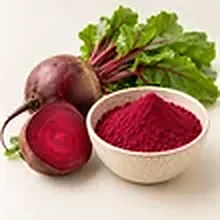 50 mgPer 2 capsules · 50 mg
Beet root
What it is: Red beet, rich in nitrate and betalain pigments.
Research: Research on beetroot juice focuses on blood pressure and exercise at much larger amounts than 50 mg of powder.* (source)
Watch for: Harmless red urine or stools are common with beets.
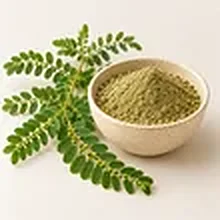 50 mgPer 2 capsules · 50 mg
Phyllanthus
What it is: A small tropical herb nicknamed “stonebreaker”, used in Ayurvedic liver remedies.
Research: Cochrane: no convincing evidence versus placebo in chronic hepatitis B; trials were low quality.* (source)
Watch for: Few side effects reported; may lower blood sugar.
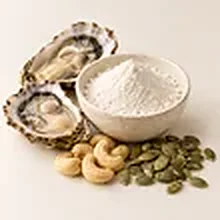 30 mgPer 2 capsules · 30 mg
Zinc (oxide)
What it is: An essential mineral; 30 mg is 273% of the daily value.
Research: Zinc is needed for normal metabolism; reviews link it to thyroid hormone metabolism, mainly in deficiency.* (source)
Watch for: Upper limit 40 mg a day; long-term excess lowers copper. Separate from some antibiotics.
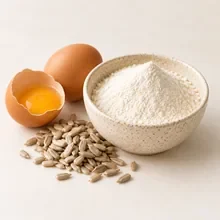 13 ingredientsPer 2 capsules · 13 ingredients
571 mg blend
What it is: Celery seed, alfalfa, burdock, yellow dock, methionine, grape seed, L-cystine, feverfew, choline, turmeric, raspberry, barberry, ginger.
Research: Amounts of each are not disclosed, so no single one can be compared with research doses.* (source)
Watch for: Feverfew, turmeric and ginger may affect clotting; barberry contains berberine.
The full label
Supplement Facts
Serving size 2 capsules · 30 servings per container
| Per 2 capsules | Amount | %DV |
|---|---|---|
| Zinc (as zinc oxide) | 30 mg | 273% |
| Milk thistle (seed) | 200 mg | † |
| Beet (root) | 50 mg | † |
| Artichoke (leaves) | 50 mg | † |
| Phyllanthus (whole plant) | 50 mg | † |
| Dandelion (root) | 50 mg | † |
| Chicory (root) | 50 mg | † |
| Yarrow (flowers) | 50 mg | † |
| Jujube seed (fruit) | 50 mg | † |
| Proprietary blend: celery seed, alfalfa herb, burdock root, yellow dock root, methionine, grape seed, L-cystine, feverfew aerial parts, choline, turmeric root, raspberry fruit, European barberry extract (root, rhizome, bark), ginger root | 571 mg | † |
† Daily value not established. Other ingredients: cellulose (vegetable capsule), rice flour, vegetable magnesium stearate, silicon dioxide. As published on the seller’s page, November 2026.
The seller describes the formula as 18 botanicals, 3 amino acid nutrients (methionine, L-cystine and choline) and zinc. Nine ingredients have stated amounts. Thirteen share a 571 mg proprietary blend, which means each could be present at anything from a few milligrams upward.
How the doses compare with research
| Ingredient | In Thyronex | Amounts in studies | Evidence summary |
|---|---|---|---|
| Milk thistle | 200 mg seed | Standardised silymarin extracts, often several hundred mg | Conflicting for liver disease (NCCIH) |
| Artichoke leaf | 50 mg | 600-2,700 mg extract | Small trials, cholesterol and NAFLD |
| Dandelion / chicory | 50 mg each | Few human trials | No compelling evidence (NCCIH) |
| Beet root | 50 mg | Juice providing hundreds of mg nitrate | Blood pressure, exercise |
| Phyllanthus | 50 mg | Varied, hepatitis B trials | Not convincing vs placebo (Cochrane) |
| Zinc | 30 mg | RDA 8-11 mg; limit 40 mg | Essential; excess has risks |
| Blend (13) | 571 mg total | Not comparable | Amounts hidden |
Daisy-family ingredients
Milk thistle, artichoke, dandelion, chicory, yarrow, feverfew and burdock all belong to the Asteraceae (daisy) family. NCCIH notes that milk thistle may cause reactions in people allergic to ragweed, chrysanthemum, marigold and daisy (NCCIH), and artichoke is contraindicated with Asteraceae allergy (monograph). The seller itself flags feverfew and yarrow.
What is not in it
No iodine, no selenium and no thyroid hormone or thyroid glandular. Given the name, some buyers expect these. NIDDK warns that high-iodine products such as kelp can cause or worsen hypothyroidism (NIDDK), so their absence is reasonable. Selenium is discussed in Selenium, iodine & the thyroid.
Combination products
Each ingredient was studied alone. In a 22-ingredient product, effects can add up (several may lower blood sugar or affect clotting) or simply be too diluted to matter. Multi-ingredient products also make any side effect harder to trace (LiverTox). The NCCIH herb-drug interaction digest explains why to tell your pharmacist.
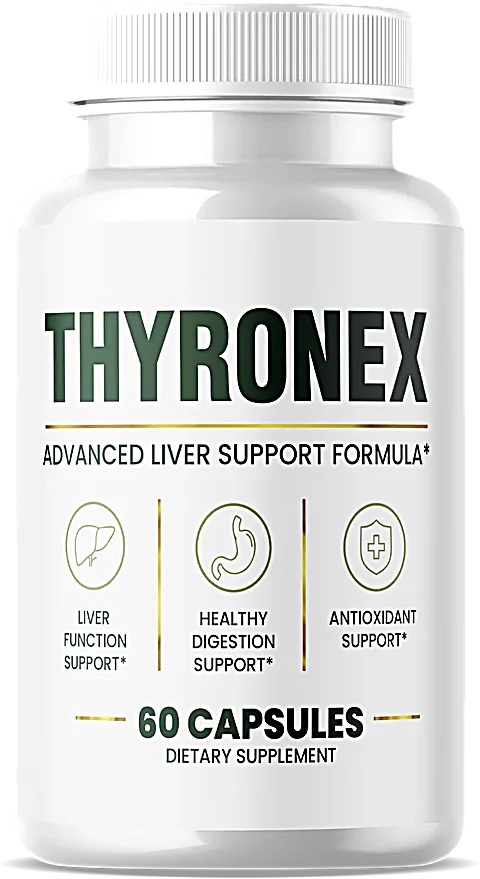
Considering Thyronex? Two bottles are $158 plus shipping; six are $294 ($49 each) with free US shipping and three bonus guides. Only unopened bottles can be refunded, so start with fewer if you are unsure, and read the safety guide if you take thyroid or other medicine.
Order Thyronex From $49/BottleQuestions
Does Thyronex contain iodine?
No. The label lists no iodine, selenium or thyroid hormone.
Is Thyronex vegan?
It uses vegetable capsules; the seller does not make a formal vegan claim, so check if that matters to you.
Why are some amounts hidden?
Thirteen ingredients share a 571 mg proprietary blend, a common labelling practice that hides individual amounts.