Iodine: the raw material
The thyroid uses iodine to make T4 and T3. Adults need 150 mcg a day (220 in pregnancy, 290 when breastfeeding), and the upper limit is 1,100 mcg (ODS). Iodised salt, dairy, seafood and eggs are common sources; iodine deficiency is extremely rare in the US (NIDDK).
Too much iodine
High intake can cause goitre, thyroiditis and other thyroid problems (ODS). NIDDK warns that kelp, dulse and iodine supplements may cause or worsen hypothyroidism, especially with Hashimoto’s (NIDDK). Iodine supplements may also interfere with antithyroid drugs such as methimazole.
Selenium: the converter’s helper
Selenium is concentrated in the thyroid more than any other organ and is needed to make thyroid hormones; the T4-to-T3 enzymes are selenoproteins. Adults need 55 mcg a day; the upper limit is 400 mcg (ODS). One Brazil nut can contain 68-91 mcg, so a handful can exceed the limit. Low selenium is linked to thyroid disease, but a few studies found supplements offer little thyroid benefit.
Why Thyronex leaves them out
Thyronex is a liver formula and contains neither mineral. Given the risks of excess iodine for people with Hashimoto’s, that is a reasonable choice. If you want to check your selenium or iodine, ask your doctor rather than adding a thyroid “support” supplement.
Practical tips
- Use iodised salt in moderation; avoid kelp supplements unless advised.
- Get selenium from fish, eggs, meat and the occasional Brazil nut.
- Check your multivitamin for iodine, selenium and zinc; see Zinc 30 mg & the thyroid.
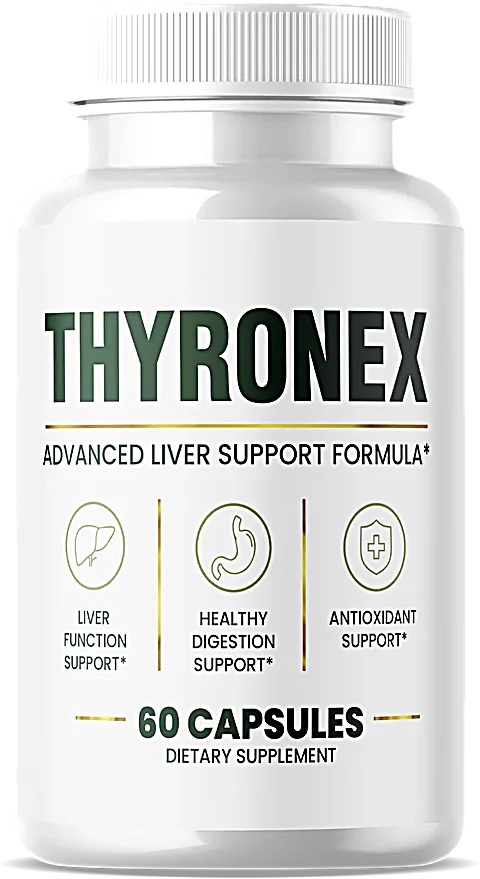
Considering Thyronex? Two bottles are $158 plus shipping; six are $294 ($49 each) with free US shipping and three bonus guides. Only unopened bottles can be refunded, so start with fewer if you are unsure, and read the safety guide if you take thyroid or other medicine.
Order Thyronex From $49/BottleQuestions
Should I take selenium for Hashimoto’s?
Studies are mixed; ask your endocrinologist.
Is sea salt a good iodine source?
Usually not; iodised table salt is.